
Obsessive-Compulsive Disorder (OCD) can significantly disrupt a child or adolescent's daily life, school functioning, relationships, and sense of safety. Young people with OCD often feel stuck in cycles of intrusive thoughts and repetitive behaviors that are distressing, time-consuming, and difficult to control.
At Kiwi Recovery, we provide structured, evidence-based OCD treatment for children and adolescents across Massachusetts. Our approach helps young people understand their symptoms, reduce compulsive patterns, and build healthier ways to respond to distress — all within a supportive, developmentally appropriate environment.
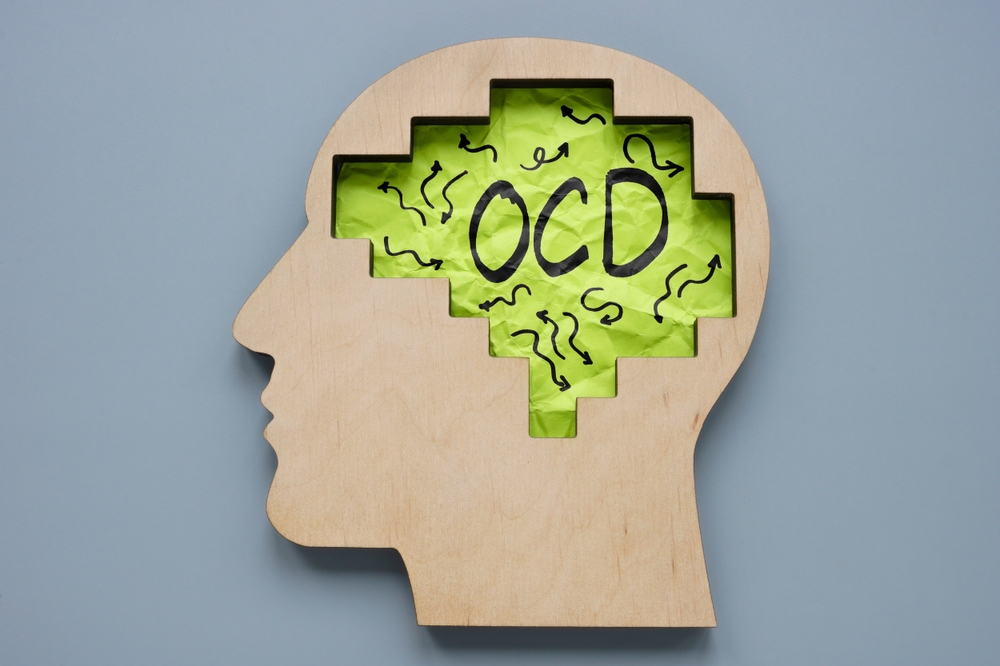
OCD is a mental health condition involving obsessions (intrusive, unwanted thoughts, urges, or images) and compulsions (repetitive behaviors or mental acts performed to reduce distress). While anxiety is often part of OCD, the condition is distinct in that relief from compulsions is temporary, reinforcing rigid cycles over time.
OCD can look very different from one child to another. Some struggle with fears of contamination, mistakes, or harm. Others experience intrusive thoughts, reassurance-seeking, checking, counting, ordering, or mental rituals. Without appropriate treatment, OCD symptoms often become more entrenched and disruptive.

Kiwi Recovery offers a structured, predictable, and emotionally supportive environment designed specifically for children and adolescents. Our team uses evidence-based modalities — Dialectical Behavior Therapy (DBT), Cognitive Behavior Therapy (CBT), and family work — to help young people interrupt OCD cycles and build flexibility.
We focus on skill-building, emotional safety, and family collaboration, rather than shame-based or overly aggressive interventions.

Children and adolescents participate in structured programming designed to help them understand OCD, tolerate distress, and reduce compulsive responses.
Using DBT, CBT, MI, and supportive counseling, clinicians help participants:
Core therapeutic groups provide consistency, structure, and skill development:
Weekly family sessions help caregivers:
Psychiatric evaluation and medication management are available when OCD symptoms significantly impair functioning or safety.
Mindfulness, grounding exercises, movement, art therapy, and animal-assisted therapy help children and adolescents practice regulation and flexibility in real-time.
Participants learn how to:
Kiwi Recovery offers multiple levels of care for children and adolescents with OCD:
The highest level of outpatient support, offering structured daily programming with clinical components.
A flexible step-down option with multiple weekly sessions focused on skill-building and sustained progress.
Consider reaching out if you notice intrusive thoughts, repetitive behaviors, rigid routines, avoidance, emotional distress, or school disruption that interferes with daily life.