Trauma can deeply impact emotional health, relationships, sense of safety, and daily functioning at any age. Whether trauma stems from a single overwhelming event or ongoing stress and adversity, its effects often show up as anxiety, panic, irritability, avoidance, depression, emotional outbursts, or sudden changes in behavior.
At Kiwi Recovery, we provide evidence-based, trauma-informed treatment for children, adolescents, and young adults. Our approach helps clients restore emotional safety, regulate overwhelming feelings, rebuild trust, and strengthen coping skills. Treatment integrates the ARC Model (Attachment, Regulation, and Competency) alongside proven clinical modalities to support lasting healing and resilience.

Trauma occurs when an individual experiences something frightening, overwhelming, or emotionally painful that exceeds their ability to cope. Post-Traumatic Stress Disorder (PTSD) may develop when the effects of trauma persist over time and interfere with daily life, relationships, or emotional regulation.
Children, teens, and young adults impacted by trauma may experience intrusive memories, panic responses, heightened emotional reactivity, avoidance, difficulty concentrating, or challenges trusting others. Without appropriate support, trauma can affect school or work performance, family relationships, mental health, and long-term well-being.

Kiwi Recovery provides a safe, structured, and relationship-centered environment where clients can begin to feel secure again. Our trauma-informed programming is grounded in the ARC Model, which recognizes that healing begins with safety and connection before progressing to skill-building and emotional processing.
The ARC Framework Focuses On:
Attachment: Building trust, consistency, and emotionally attuned relationships.
Regulation: Supporting nervous system stabilization and emotional regulation.
Competency: Strengthening coping skills, confidence, problem-solving, and self-efficacy.
This framework is woven throughout individual therapy, group work, family involvement, academic or vocational support, and daily structure to support whole-person healing.
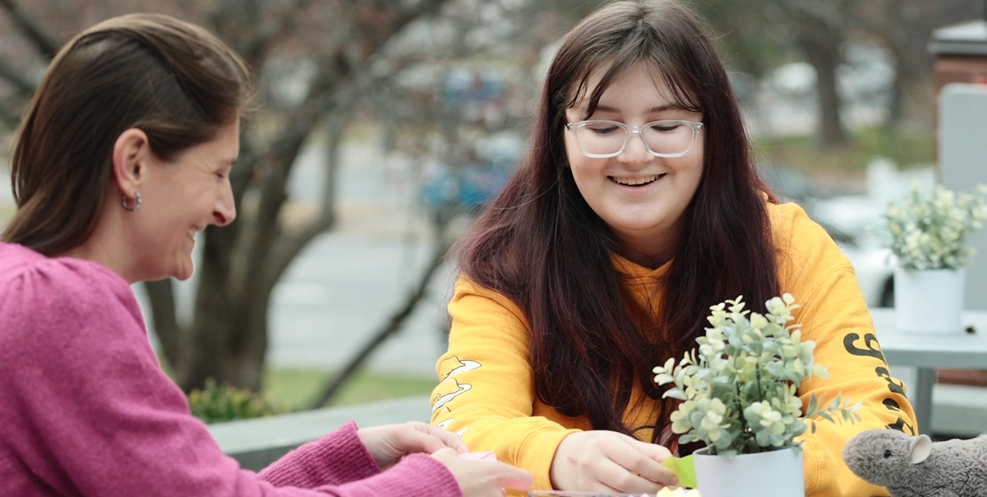
Our trauma-informed approach prioritizes emotional safety, attunement, and regulation before any trauma processing. Using the ARC Model, we help clients stabilize their nervous system, build emotional awareness, and develop practical coping skills in a supportive environment.
Clients work one-on-one with a therapist using DBT, CBT, MI, and ARC-informed trauma therapy. Sessions focus on:
Group work reinforces predictability, safety, and skill-building:
For children and adolescents, caregivers receive guidance on trauma-informed communication, emotional validation, consistency, and supportive limit-setting — all core elements of the ARC framework. For young adults, family involvement is incorporated when clinically appropriate and aligned with treatment goals.
Psychiatric evaluation and medication management are available for anxiety, panic, depression, sleep disruption, or emotional dysregulation when clinically indicated.
Movement, art therapy, mindfulness practices, and animal-assisted therapy support nervous system regulation, emotional expression, and trust-building.
Structured academic or vocational support helps reduce avoidance, rebuild confidence, and restore a sense of competence and routine.
Through ARC-informed care, clients learn how to:
Kiwi Recovery offers structured, intensive levels of care for trauma and PTSD:
Intensive, structured daily programming with clinical and academic components for those who need a high level of support.
A flexible step-down option with multiple weekly sessions focused on skill-building and gradual reintegration.
Each level supports children, adolescents, and young adults at different stages of healing, allowing them to build emotional stability, regulation, and resilience at a pace aligned with clinical need.
Consider reaching out if you or your child is experiencing:
Early, trauma-informed intervention can make a meaningful difference in long-term recovery.
Answers to common questions about trauma and PTSD treatment.
Kiwi Recovery supports children, adolescents, and young adults impacted by a wide range of traumatic experiences, including single-incident trauma, chronic stress, relational trauma, bullying, school-related trauma, medical trauma, and adverse life events that affect emotional regulation and daily functioning.
No. A formal PTSD diagnosis is not required. Kiwi Recovery treats trauma-related symptoms such as anxiety, panic, avoidance, emotional overwhelm, irritability, or difficulty feeling safe. Our team completes a comprehensive clinical assessment to determine whether PTSD criteria are met and what level of care is most appropriate.
Trauma-informed treatment prioritizes safety, regulation, and trust before deeper emotional processing. At Kiwi Recovery, therapy focuses on stabilizing the nervous system and building coping skills rather than pushing clients to revisit traumatic experiences too quickly.
The ARC Model (Attachment, Regulation, and Competency) is an evidence-based framework designed for trauma treatment across developmental stages. It helps clients rebuild secure relationships, regulate overwhelming emotions, and strengthen coping skills in a developmentally appropriate way.
No. Clients are never forced to share traumatic experiences before they feel ready. Trauma processing is gradual and only occurs when clinically appropriate.
Yes. Family involvement is an important component for children and adolescents and is incorporated for young adults when appropriate.
Psychiatric evaluation and medication management are available when clinically indicated, particularly for anxiety, panic, depression, sleep disruption, or emotional dysregulation.
Yes. Trauma can significantly affect concentration, attendance, and confidence. Structured academic support helps reduce avoidance and rebuild competence.
Length of treatment varies depending on needs, level of care, and progress, but we estimate 2-4 weeks for PHP and 4-8 weeks for IOP.